

What is the Difference between Blue Salt and Pink Salt?
The popularity of mineral salts has been increasing over the years, especially among health-conscious consumers and chefs. Two of the most popular mineral salts are blue salt and pink salt. Although both of these salts have been derived from ancient mineral deposits, there are many differences between the two.
Understanding the differences between the two will help you make the right choice depending on your cooking needs and health requirements.
What is Blue Salt?

Blue salt, also called Persian blue salt, is considered one of the rarest mineral salts in the world. This salt is derived from ancient salt deposits that were accumulated millions of years ago in Iran.
The uniqueness of this salt is the presence of blue crystals, giving it a blue appearance due to the structural changes that occur in the salt crystals under extreme geological pressure over millions of years.
Some of the characteristics associated with blue salt include:
- Less sodium content when compared to other refined salts
- Presence of high amounts of potassium when compared to regular table salt
- Mild flavor with a slightly complex taste, giving it a smooth flavor
- Presence of blue streaks in the crystals, giving it a unique appearance
What is Pink Salt?

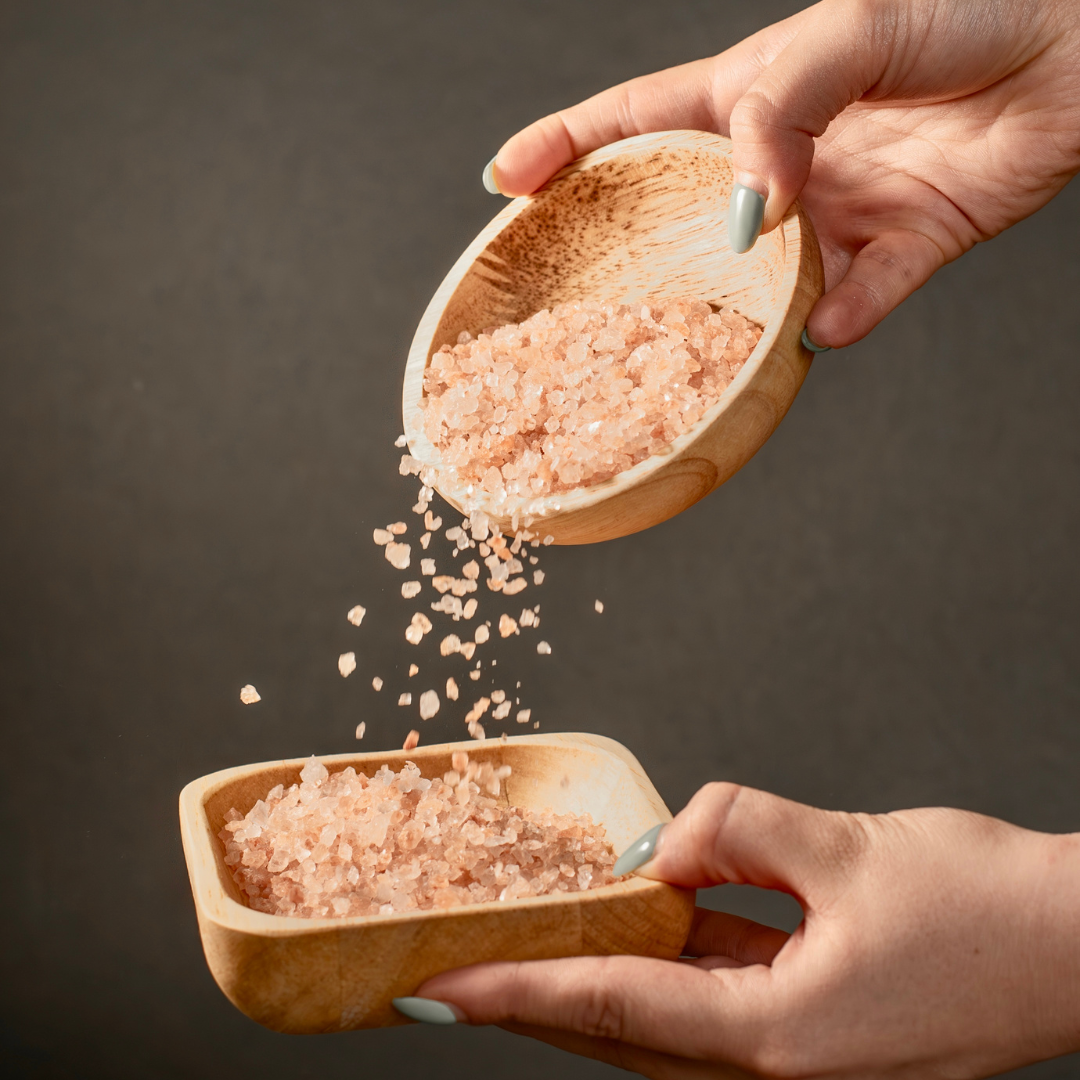
Pink salt is also known as Himalayan pink salt. This type of salt is mined from the Himalayan mountain range. The pink color is attributed to the iron contained in the salt crystals.
Pink salt is used worldwide. This salt is unique in that it is natural.
The unique features of this salt are:
- It contains natural trace minerals such as iron, calcium, and magnesium.
- It has a slightly stronger salt taste than other mineral salts.
- It is pink in color, attributed to the iron contained in the salt.
- It is used in salt grinders.
- Due to its availability, this salt is used as an alternative to other salts such as blue salt.
Blue Salt vs Pink Salt: Key Differences
Appearance
Blue salt: Rare blue crystals caused by crystal lattice compression
Pink salt: Pink color from iron minerals
Mineral Profile
Blue salt: Has a slightly higher amount of potassium a a slightly lower amount of sodium
Pink salt: Has iron and other trace minerals
Flavor
Blue salt: Has a mild, smooth, and slightly complex taste
Pink salt: Has a stronger and more pronounced salt taste
Rarity
Blue salt: Very rare and a specialty gourmet salt
Pink salt: Widely available in the world
Which Salt is Healthier?
Both types of salt are less processed and contain trace minerals, unlike normal salt.
However, it is also important to remain realistic about the amount of trace minerals in these salts. Both salts contain a low amount of trace minerals, and therefore, it is not appropriate to rely on these salts as a source of trace minerals.
The advantage of using these salts is that, unlike normal salt, they are less processed, contain fewer additives, contain trace minerals, and are also tastier, which may help people reduce the amount of salt used in food.
Which of the Salts is Better for Your Health?
Both of these salts are less processed and contain natural minerals, unlike regular table salt, which does not contain any minerals.
It is also important to note that, although both of these salts contain minerals, the quantities of minerals are small, so they cannot be considered major sources of minerals for your body.
The good news is that natural mineral salts contain fewer additives, are less refined, and contain more minerals, and are also more flavorful, so you might end up using less salt in general.
As with regular salt, moderation is the key to a healthy diet with mineral salt as well.
How to Choose the Best Quality Mineral Salt?
The quality of mineral salt varies greatly, and when you choose blue or pink salt, you should look for the following qualities in your salt:
- Authentic mineral source
- Less processed
- Clear crystal structure
For those looking to taste both, Eupherbia has premium quality blue salt and pink salt, carefully sourced and selected based on their natural mineral content and purity. Their salts are a gourmet choice for cooking, yet retain the unique properties that make these natural salts special.
Regardless of your preference between the exclusive blue salt and the traditional pink salt, opting for a high quality source will allow you to taste the best that these salts have to offer in terms of quality and taste.
Share:
Blue Salt Trick for Men
Blue Salt Benefits and Side Effects