

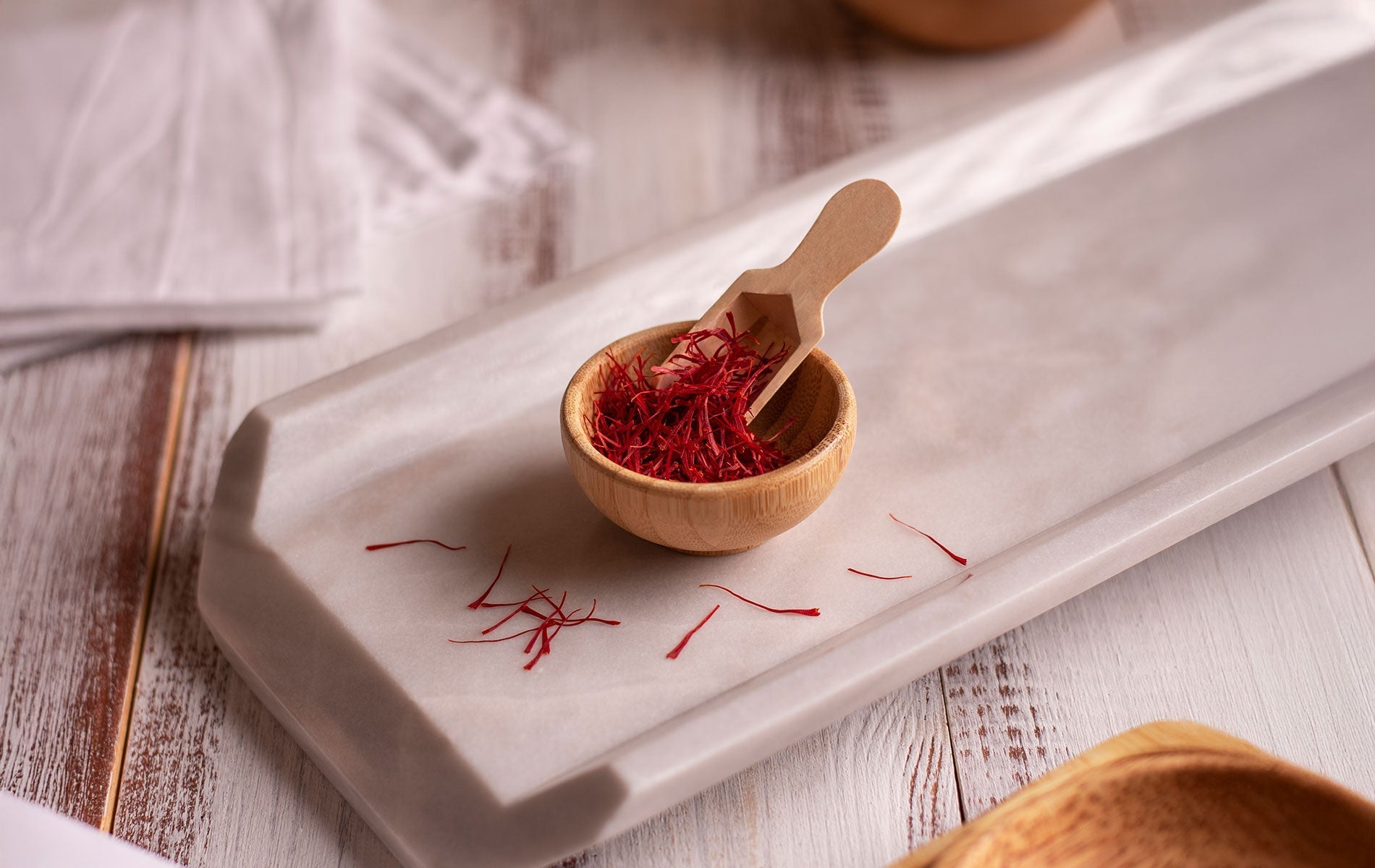
Saffron is among the costliest spices in the world, known for its stunning color, fragrance, and taste. Since it is derived from Crocus sativus flowers, saffron is bound to be environment-sensitive. This is because saffron threads need to be stored in an appropriate place to retain their potency, fragrance, and culinary uses.
Incorrect storage of Eupherbia saffron can cause even the highest quality to deteriorate, leading to decreased potency, resulting in dull color, decreased odor, and decreased flavor. Understanding the correct storage of Eupherbia saffron will allow the full potential of each strand to be realized.
Importance of Storing Eupherbia Saffron Correctly
Eupherbia Saffron's active ingredients: crocin, giving the color; picrocrocin, giving the flavor; and safranal, giving the aroma, are all sensitive ingredients that can alter or break down easily due to external factors.
Incorrect and inappropriate storage may result in:
- Loss of vibrant red color
- Loss of scent and fragrance reduction
- Less flavor intensity
- Limited food and health benefits
In order to preserve these characteristics, Eupherbia saffron should be stored in a very particular way.
The Biggest Enemies of Eupherbia Saffron

For Eupherbia saffron to maintain its highest quality, the following elements that can degrade it have to be protected against:
- Light: Direct light in the form of sunlight or bright indoor lighting can break down the crocin in saffron.
- Air: Oxygen can cause oxidation, which weakens the aroma and flavor of the milk.
- Moisture: Eupherbia Saffron is prone to moisture, causing mold and degradation.
- Heat: Aromatic compounds readily degrade at higher temperatures.
- Aromas: Indeed, Eupherbia saffron is highly absorptive. It can readily imitate the aroma of its surroundings.
Storage Tips for Eupherbia Saffron
For storing saffron, it should be in a cool, dark, dry, air-tight environment. Keeping it in such storage conditions will aid in maintaining its potency by following these conditions:
- In a small, airtight container, store saffron to prevent exposure to air.
- Store in dark glass, metal containers, or ceramic boxes
- Store it in a cool place and out of sight from cooking areas and windows
- Do not store in plastic containers, which can both absorb and impart odor
- Do not keep saffron spice in proximity to highly scented spices like cloves, garlic, or coffee
To preserve high-quality saffron, dividing it into smaller amounts helps ensure the remainder is also protected when one package is accessed.
If stored properly, good-quality saffron will keep well and preserve many of its attributes for several years, although it is obviously best used while still fresh.
Whole Saffrons vs Powdered Saffrons
- Eupherbia Saffron threads are more potent than powdered saffron.
- Threads have less surface area exposed to air
- The powdered form of saffron will readily lose the fragrance as well as the
- Threads are less likely to be adulterated
For optimal usage, Eupherbia saffron threads should be stored whole and extracted as needed. The amount needed should be bloomed just prior to usage.
Additional Tips on Preserving Potency
Refrain from refrigeration, since moisture and aromas might spoil saffron
Eupherbia Saffron threads should be bloomed in warm, not boiling water or milk only when intended for use
Manage threads carefully to prevent breakage and lose of aroma
Final Thoughts:
The value of Eupherbia saffron does not lie in the volume but in its purity and potency. This is because storing the spice in the right way ensures the threads, no matter how few, can provide an optimal amount of color, aroma, and flavor. This is achieved by shielding the saffron threads from the elements of light, air, moisture, heat, and odor. With proper storage, saffron can remain a potent and luxurious ingredient, one that can enhance any dish it meets.
Share:
Why Blue Salt Is Perfect for Health-Conscious Consumers?
How to store tea properly?