

If you're expecting, chances are someone has already handed you a glass of warm saffron milk. In many cultures, kesar in pregnancy is a cherished tradition, passed from grandmothers to mothers to daughters. But is saffron safe during pregnancy, or should you skip it until your baby arrives?
The short answer: small, culinary amounts of saffron are generally considered safe for most pregnant women, especially after the first trimester. Large doses and concentrated supplements are not. The difference between a helpful pinch and a harmful amount comes down to dose, timing, and purity.
What Is Saffron?
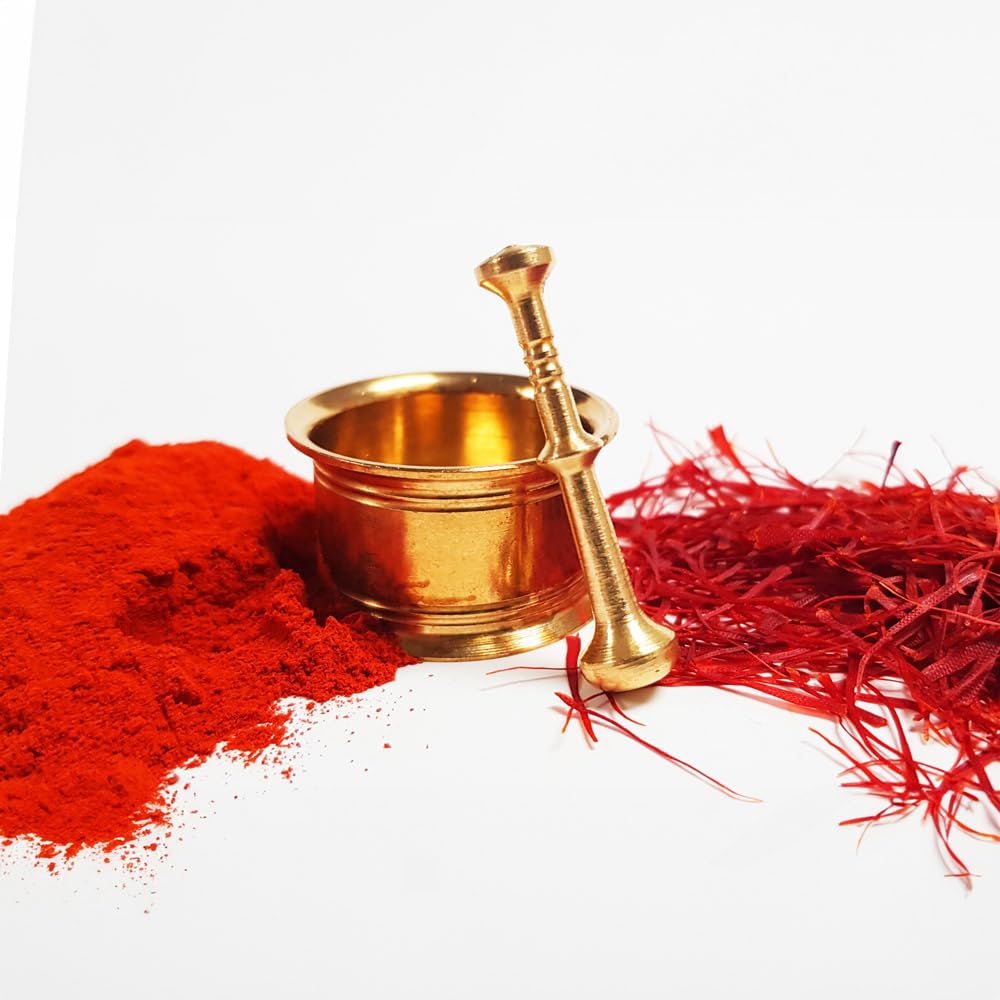
Saffron is the dried red stigma of the Crocus sativus flower. Each flower produces only three delicate threads, which are picked by hand. That's why saffron is known as "red gold" and is the most expensive spice in the world.
Its color, taste, and aroma come from three natural compounds: crocin (color), picrocrocin (flavor), and safranal (aroma). These same compounds are behind many of saffron's studied health effects, and they're also why dose matters during pregnancy.
Is Saffron Safe During Pregnancy? What the Research Says
Research on saffron during pregnancy is still limited, and most safety data comes from animal studies and small human trials. Here's what we know so far:
- Culinary amounts have been used by pregnant women across Iran, India, Pakistan, the Middle East, and Spain for generations without clear evidence of harm.
- High doses can stimulate uterine contractions. Lab and animal studies show that saffron extract can increase contractions of the uterine muscle. Large amounts have been linked to miscarriage and preterm labor.
- Animal studies at very high doses have shown reduced fetal numbers and fetal weight, which is why concentrated saffron is not recommended in pregnancy.
- Occupational exposure matters. One descriptive study found higher miscarriage rates among women exposed to saffron during harvesting and processing.
- At full term, some clinical trials have looked at saffron for cervical ripening, but these were done under medical supervision and are not a reason to self-treat.
Bottom line: A pinch in your food is very different from a supplement capsule or a heaping spoonful. Keep it small, and involve your healthcare provider.
Saffron in the First Trimester: Should You Avoid It?
Most health professionals recommend avoiding saffron in the first trimester (weeks 1 to 13). This is when the risk of miscarriage is naturally highest, and because saffron can affect uterine muscle, many doctors prefer to play it safe.

The occasional dish that contains a few threads, like biryani or paella, is unlikely to cause harm. But this is not the time to start drinking saffron milk daily or to take saffron supplements.
When to Start Saffron in Pregnancy
If you're wondering when to start saffron in pregnancy, the most common advice is:
- Second trimester (from about week 14): A small daily pinch in milk or food is generally considered fine, with your doctor's approval.
- Third trimester: Continue small culinary amounts. Do not use saffron to try to bring on labor yourself (more on this below).
How Much Saffron Is Safe in Pregnancy?
There is no official safe limit for saffron during pregnancy. But the research gives a clear picture of where the danger zone starts.
| Amount | What it looks like | Pregnancy guidance |
|---|---|---|
| Culinary pinch (about 10–30 mg) | 5–15 threads in milk, tea, rice, or dessert | Generally considered safe after the first trimester |
| Therapeutic dose (around 30–250+ mg) | Supplements, capsules, extracts | Only under medical supervision |
| High dose (5 grams or more per day) | Thousands of threads | Unsafe: can stimulate the uterus and cause miscarriage or bleeding |
Helpful tip: One gram of saffron contains roughly 400 to 500 threads. A few threads a day is far below the level linked to harm, which is why the traditional pinch is considered low-risk.
Saffron Benefits in Pregnancy
Most saffron benefits in pregnancy are based on traditional use or studies in non-pregnant adults. They're promising, but not proven specifically for expectant mothers.
1. May Support Mood and Reduce Anxiety
Pregnancy hormones can bring mood swings and worry. Clinical trials in the general population show saffron may help with mild depression and anxiety. Some small studies also suggest it may reduce anxiety around labor.
2. May Ease Digestion and Bloating
Saffron has been used traditionally to support digestion, appetite, and relief from bloating, all common pregnancy complaints.
3. May Help With Sleep
A warm glass of saffron milk at night is a relaxing bedtime ritual. Early research suggests saffron may improve sleep quality, though pregnancy-specific studies are lacking.
4. Rich in Antioxidants
Crocin and safranal are powerful antioxidants that help protect cells from oxidative stress.
5. May Help With Muscle Cramps
Traditional medicine uses saffron for leg cramps and body aches, although scientific evidence is limited.
Saffron Side Effects in Pregnancy
Too much saffron can cause problems. Watch for these saffron side effects in pregnancy:
- Uterine contractions, which may lead to miscarriage or preterm labor at high doses
- Vaginal bleeding or spotting
- Nausea, vomiting, or diarrhea
- Dizziness or low blood pressure
- Allergic reactions such as itching, rash, or swelling (more likely if you're allergic to olive, Lolium, or Salsola pollen)
Stop using saffron and contact your healthcare provider right away if you notice abdominal pain, cramping, bleeding, or any unusual symptoms.
Does Saffron Make Your Baby Fair? The "Fair Baby" Myth
This is one of the most searched questions about kesar in pregnancy, and the answer is simple: no.
There is no scientific evidence that saffron changes your baby's skin tone. A baby's complexion is determined by genetics from both parents at conception. Drinking kesar doodh for baby complexion won't make your baby fairer, and consuming more saffron in hopes of a lighter skin tone can actually put your pregnancy at risk.
Enjoy saffron for its flavor and comfort, not for skin color.
Can Saffron Induce Labor?
In traditional Unani and Persian medicine, saffron has been used to help prepare the body for childbirth. A few clinical trials at full term have found that saffron may help ripen the cervix.
However, you should never use saffron to induce labor on your own. The doses studied are much higher than a culinary pinch and were given under close medical monitoring. Uncontrolled uterine contractions can be dangerous for both you and your baby. If you're overdue, talk to your doctor or midwife about safe options.
How to Take Saffron Safely During Pregnancy
Simple Saffron Milk (Kesar Doodh) Recipe for Pregnancy
You'll need:
- 1 cup warm milk
- 5–8 saffron threads
- 1 pinch ground cardamom (optional)
- 1 teaspoon honey or sugar (optional)
Method:
- Soak the saffron threads in 1 tablespoon of warm milk for 10–15 minutes to release color and flavor.
- Warm the remaining milk gently. Don't boil it hard.
- Stir in the soaked saffron, cardamom, and sweetener.
- Enjoy warm, ideally in the evening.
Other Safe Ways to Enjoy Saffron
- A few threads in rice, pilaf, or biryani
- Saffron water: soak 3–5 threads in warm water
- A pinch in kheer, halwa, or rice pudding
- A few threads in soups and stews
Safety Checklist
- Wait until the second trimester, unless your doctor says otherwise
- Stick to one small serving a day
- Avoid saffron supplements, capsules, and extracts
- Buy pure, lab-tested saffron only
- Get your doctor's approval first
Who Should Avoid Saffron During Pregnancy?
Skip saffron completely, or speak with your doctor first, if you:
- Have a history of miscarriage or preterm labor
- Have placental problems or bleeding during pregnancy
- Have bipolar disorder, since saffron may affect mood
- Take blood thinners, blood pressure medication, sedatives, or antidepressants
- Have low blood pressure
- Are allergic to saffron or related pollens
- Work in saffron harvesting or processing
Why Pure Saffron Matters in Pregnancy
Because saffron is so expensive, it's one of the most faked spices in the world. Low-quality or counterfeit saffron may contain artificial dyes, safflower, corn silk, oils, or other fillers. Some of these additives are not safe during pregnancy.

How to spot real saffron:
- Real threads are deep red with a slightly lighter tip, and all threads look similar in shape
- When soaked in water, real saffron slowly releases a golden-yellow color and the threads stay red
- Fake saffron bleeds color quickly or turns the water red
- Real saffron smells sweet, floral, and honey-like but tastes slightly bitter
- Trusted brands share ISO 3632 lab test results
When you're pregnant, choosing pure saffron isn't just about flavor. It's about safety.
Frequently Asked Questions
Can I drink saffron milk every day during pregnancy? Yes, many women safely enjoy one glass of saffron milk a day with just a few threads after the first trimester. Check with your doctor first.
Is saffron safe in the first trimester? Most doctors recommend avoiding saffron in the first trimester because of its possible effect on uterine contractions.
How many saffron threads are safe in pregnancy? A small pinch of about 5 to 15 threads a day is commonly considered safe in the second and third trimesters.
Can saffron cause miscarriage? High doses of saffron (5 grams or more a day) can stimulate the uterus and may cause miscarriage. Small culinary amounts are not known to carry this risk.
Does saffron help with morning sickness? Saffron is traditionally used for digestion, but there's no strong evidence it helps with morning sickness. Ginger has better research support for nausea.
Are saffron supplements safe during pregnancy? No. Supplements contain concentrated doses and should only be taken if your doctor specifically recommends them.
Can saffron make my baby fair? No. This is a myth. Your baby's skin color is determined by genetics.
Is saffron safe while breastfeeding? Small culinary amounts are generally considered fine, but there's little research on saffron and breast milk. Avoid supplements and ask your doctor.
Choose Saffron You Can Trust: Eupherbia Premium Saffron
When every ingredient matters, the quality of your saffron matters too.
Why families choose Eupherbia:
- Grade A+ All-Red Saffron Threads: Only the most flavorful and aromatic part of the stigma, with no yellow filler threads.
- Lab-Tested and Transparent: Eupherbia publishes its ISO 3632-2 lab results, with scores that exceed Category I standards for color (crocin 252), flavor (picrocrocin 93), and aroma (safranal 40). Most brands never share their test results.
- 100% Pure and Natural: No dyes, no additives, no fillers. Just real saffron.
- Hand-Harvested the Traditional Way: Every thread is handpicked from the Crocus sativus flower using old-world methods passed down for generations.
- Kosher Certified.
- Proudly Packaged in Canada: Carefully packed in Eupherbia's Toronto facility under strict quality and safety standards.
Medical disclaimer: This article is for informational purposes only and is not a substitute for professional medical advice. Always consult your doctor, OB-GYN, or midwife before adding saffron or any herb to your diet during pregnancy or breastfeeding. Eupherbia saffron is a culinary spice and is not intended to diagnose, treat, cure, or prevent any disease.
Share:
Does Tea Dehydrate You?
Saffron for Anxiety and Stress Relief: What You Need to Know