

Walking into a room and forgetting why. Searching for a word that's right on the tip of your tongue. Misplacing your keys for the third time this week. As we get older, small memory slips like these become more common, and many of us start to wonder what we can do to keep our minds sharp.
Alongside sleep, exercise and a healthy diet, one golden spice has caught the attention of researchers: saffron. For centuries, saffron was used in traditional medicine to support the mind. Today, scientists are putting it to the test in clinical trials.
So can saffron really support memory and brain health as you age? In this guide, we'll look at how saffron works, what the research shows, and simple ways to enjoy it every day.
How Does the Brain Change as We Age?
It's normal for the brain to change over time. Some of the biggest factors include:
- Oxidative stress. Over the years, unstable molecules called free radicals can damage brain cells.
- Inflammation. Low-grade, long-term inflammation can affect how brain cells communicate.
- Slower signalling. Levels of acetylcholine, a brain messenger linked to learning and memory, tend to decline with age.
- Protein build-up. In Alzheimer's disease, sticky proteins called amyloid plaques build up between brain cells.
Mild forgetfulness is a normal part of ageing. But when memory problems start to affect daily life, it may be a sign of mild cognitive impairment (MCI) or dementia, which should always be checked by a doctor.

How Might Saffron Support the Brain?
Saffron's power comes from three natural compounds: crocin, which gives it its golden colour, safranal, which gives it its aroma, and picrocrocin, which gives it its honey-like taste. Lab and early studies suggest these compounds may:
- Fight oxidative stress as powerful antioxidants
- Calm inflammation in brain tissue
- Support acetylcholine, the messenger behind learning and memory
- Help prevent amyloid build-up, according to laboratory research
- Support a positive mood, which also affects focus and memory
Much of this comes from lab and animal studies. Let's look at what happened when saffron was tested in people.
What Does the Research Say?
Saffron Compared to a Placebo
In clinical trials with people who had mild cognitive impairment or mild to moderate Alzheimer's disease, saffron improved scores on standard memory and thinking tests more than a placebo did over 16 weeks.
Saffron Compared to Alzheimer's Medications
Some of the most interesting studies compared saffron with two common Alzheimer's medications, donepezil and memantine. In these trials, saffron performed about as well as the medication on memory and thinking tests. This doesn't mean saffron is better than medication, or that anyone should switch. It does show why researchers want to study it further.
What the Reviews Conclude
When scientists pooled the studies together in a 2020 review of 4 trials and 203 participants, they found that saffron "may have the potential to improve cognitive function." Another review of 5 trials and 325 participants agreed the results were promising.
But both reviews urged caution:
- The studies were small, with only a few hundred people in total.
- Most were short, lasting 16 to 22 weeks.
- Most were done in one region, mainly Iran.
- Larger, high-quality trials are still needed before saffron can be recommended as a treatment.
What About Healthy Older Adults?
Most research so far has focused on people who already have memory problems. There's much less research on whether saffron helps keep a healthy brain sharp. Even so, its antioxidant and mood-supporting properties make it a delicious addition to a brain-friendly lifestyle.
The Bottom Line
Saffron shows real promise for memory and brain health, especially in early research on mild cognitive impairment and Alzheimer's. It's not a cure, and it's not a replacement for medical care. Think of it as one golden piece of a bigger, brain-healthy puzzle.
Brain-Friendly Ways to Enjoy Saffron Every Day
Start by blooming your saffron: crush a few threads and steep them in 2 to 3 tablespoons of warm water for 10 to 20 minutes. This releases its full colour, aroma and beneficial compounds.
1. A Morning Cup of Saffron Tea
Brew a cup of Eupherbia Saffron Green Tea or Saffron Black Tea to start your day. Green tea adds its own antioxidants, making it a great match for a brain-healthy routine.
2. Add Saffron to Brain-Healthy Meals
The Mediterranean diet is one of the most studied eating patterns for brain health, and saffron fits right in. Stir bloomed saffron into:
- Salmon or sardines with saffron rice
- Lentil and vegetable soups
- Whole-grain pilafs with nuts and herbs
- Scrambled eggs with spinach
3. A Golden Evening Drink
Warm a cup of milk, add bloomed saffron, a pinch of cinnamon and a little honey. Good sleep is essential for memory, and a calming bedtime ritual can help you wind down.
4. Pair Saffron With Brain-Healthy Habits
No single food can protect your memory on its own. Saffron works best alongside everyday habits that support the brain:
- Move daily. Regular walks boost blood flow to the brain.
- Sleep well. Your brain sorts and stores memories while you sleep.
- Stay social. Conversations and friendships keep the mind active.
- Keep learning. Puzzles, reading, music and new skills challenge your brain.
- Look after your heart. What's good for your heart is good for your brain.
How Much Saffron Is Safe?
Saffron is very safe in the small amounts used in cooking and tea. Most memory studies used about 30 mg a day, which is roughly 15 threads, a small pinch.
|
Amount |
What it means |
|---|---|
|
A few threads a day |
Typical cooking and tea amount, safe for most people |
|
About 30 mg a day |
The amount used in most memory studies |
|
More than 5 g a day |
Can be toxic, never take large doses |
Possible Side Effects
In the studies, side effects were mild and happened about as often with saffron as with a placebo or medication. They included:
- Nausea
- Dry mouth
- Tiredness
- Dizziness
Who Should Talk to Their Doctor First?
Check with your doctor before using saffron regularly or taking saffron supplements if you:
- Take medication for Alzheimer's or memory problems
- Take antidepressants, blood thinners or blood pressure medication
- Have bipolar disorder
- Have a bleeding disorder or upcoming surgery
Most importantly: if you or a loved one notice memory changes that affect daily life, see a doctor. Early diagnosis opens the door to treatment and support. Never stop or replace prescribed medication with saffron.

Frequently Asked Questions
Can saffron improve memory? Early studies in people with mild cognitive impairment and Alzheimer's found saffron improved memory and thinking scores more than a placebo. The studies were small, so more research is needed.
Can saffron prevent Alzheimer's disease? There's no evidence yet that saffron can prevent Alzheimer's. Lab research is promising, but it hasn't been proven in people.
Can I take saffron instead of my memory medication? No. Never stop or replace prescribed medication without talking to your doctor. Saffron can be part of a healthy diet alongside your treatment.
How long does saffron take to work? In studies, people took saffron daily for 16 to 22 weeks. Brain health is a long game, so consistency matters more than quantity.
Is saffron in food as effective as capsules? Most studies used saffron capsules or extracts, so food amounts haven't been tested directly. A daily pinch in tea or meals is still a delicious way to enjoy saffron's antioxidants.
Nourish Your Mind With Eupherbia Saffron
A sharp mind is built over a lifetime of good habits, and saffron makes those habits a little more golden. Eupherbia Saffron is:
- Hand-harvested from the crocus flower, one thread at a time
- Pure, premium and aromatic
- Rich in natural crocin, safranal and picrocrocin
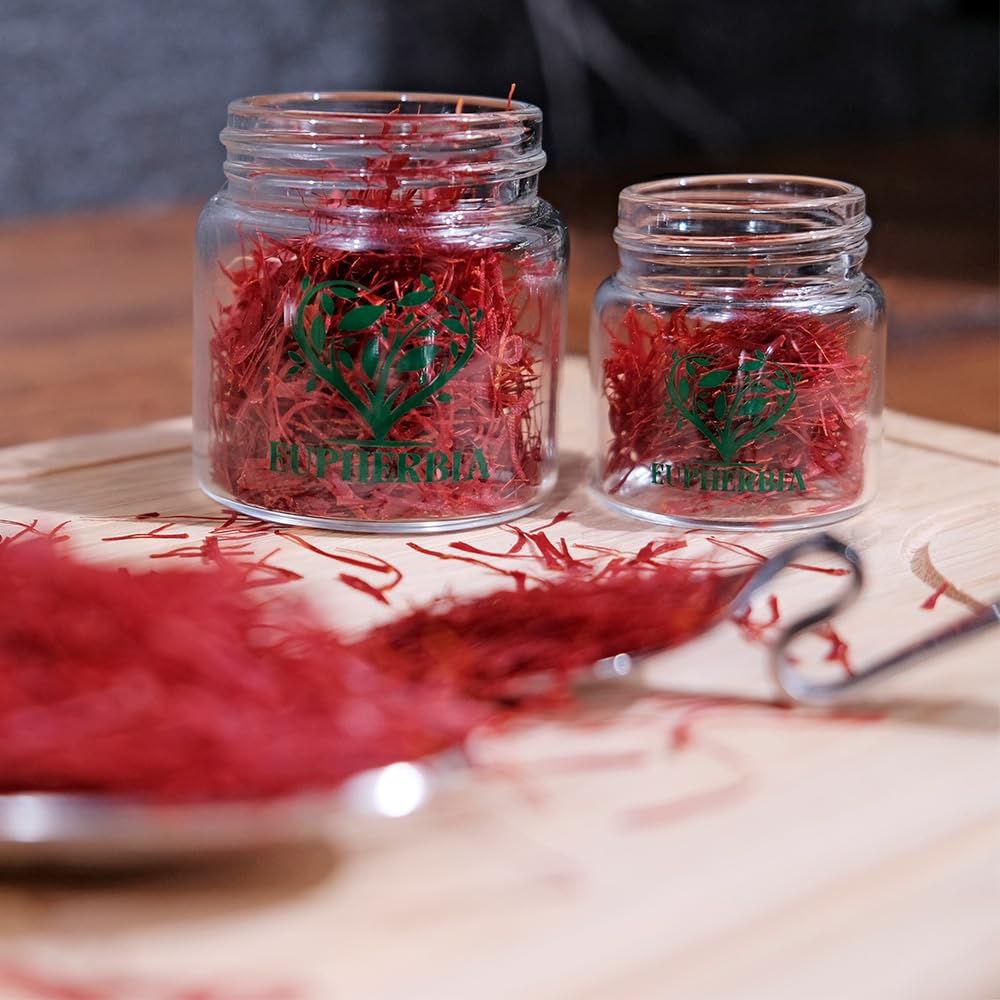
- Sealed in a glass jar to keep every thread fresh
A pinch in your morning tea, a golden spoonful in your dinner, a warm cup before bed. Discover Eupherbia Saffron and our Saffron Teas today.
Disclaimer: This article is for informational purposes only and is not medical advice. Saffron is not a treatment for Alzheimer's disease, dementia or memory loss. If you notice changes in memory or thinking, talk to your doctor. Speak with your doctor before taking saffron supplements, especially if you take medication or have a medical condition. Eupherbia Saffron is a food product and is not intended to diagnose, treat, cure, or prevent any disease.
Share:
Saffron for Menopause: Hot Flashes, Mood and Sleep
Green Tea and Blood Sugar: What the Research Shows