

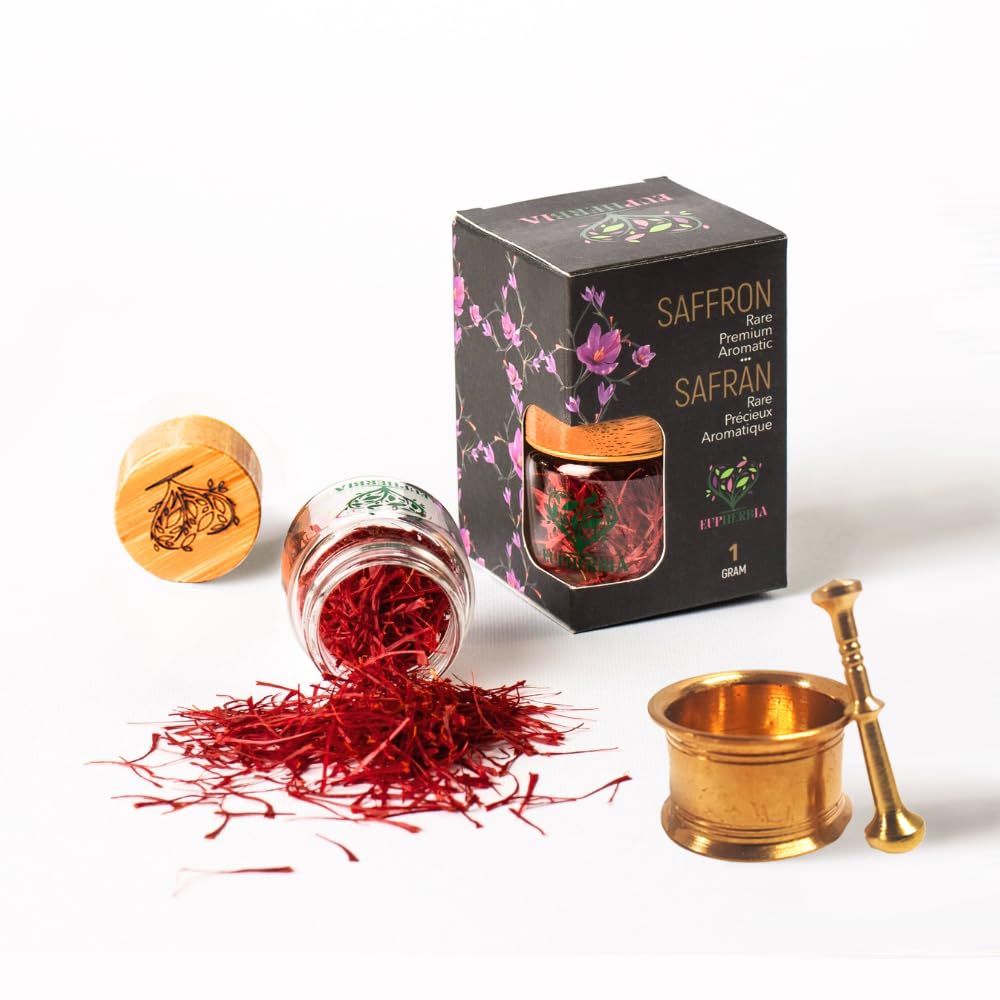
Not all saffron is created equal, and the price tag doesn't always tell the whole story. Two jars can both say "saffron" and still be worlds apart in color, aroma, and strength. Most of that difference comes down to one thing: how much of the thread is the deep red tip, and how much is the pale part near the base.
Once you understand that, choosing good saffron gets a lot easier. Here's what the grades actually mean and how to pick the right one.
The one thing that sets grades apart
Each saffron thread has two parts: a vivid red stigma at the top, which holds almost all the flavor, color, and aroma, and a paler yellow or white style at the bottom, which holds very little. The more red and the less pale in your saffron, the stronger and more potent it is.
So when people talk about "grades," they're mostly talking about how much of that flavorless pale portion is left in.

All-red threads (the top grade)
This is the highest quality you can buy. The threads are made up of only the red stigma tips, with the pale parts trimmed away.
- Deepest color, a rich crimson red almost all the way down
- Strongest aroma and flavor, since you're getting only the potent part
- Best value in use, because a smaller pinch does the same work
- The priciest by weight, but often the most economical per dish
If you want the boldest color in your rice, tea, or dessert with the least amount of saffron, this is the grade to reach for.
Mixed threads (red plus some pale)
Here the threads still lead with red tips but keep some of the pale yellow style attached. It's a common, more affordable grade.
- Good color and aroma, just less concentrated than all-red
- A gentler price, which suits everyday cooking
- You'll use a bit more to reach the same intensity
There's nothing wrong with this grade for regular home cooking. Just know you're paying partly for the pale portion, which adds weight but not much flavor.
Powdered saffron (handle with care)
Ground saffron is convenient and dissolves easily, but it's also the easiest to fake. Because you can't see the threads, powder is often stretched with cheaper additions.
- Convenient and quick to blend into dishes
- Harder to judge for quality, since the threads are hidden
- Only buy it from a source you trust, ideally one that also sells whole threads
When in doubt, whole threads are the safer, more transparent choice.
How to judge quality at a glance
Whichever grade you choose, a few quick checks help:
- Look for deep red threads with little pale material mixed in
- Trust the aroma, real saffron smells floral and honey like, never harsh or chemical
- Watch the water test, genuine saffron releases its golden color slowly, not in an instant flood of dye
- Remember that all-red goes further, so a higher price per gram can still be the better deal
The bottom line
Saffron grades really come down to how much of the potent red tip you're getting versus the pale filler. All-red threads give you the deepest color and the strongest flavor from the smallest pinch, while mixed threads offer a friendlier price for everyday use. Once you know what to look for, you can match the grade to the moment and never overpay for pale threads again.
Eupherbia Saffron brings deep red, high grade threads with the rich color, floral aroma, and bold flavor that make a single pinch go a long way. Whether it's for a special dish or your everyday cooking, it's saffron you can trust.
Share:
The Sweet-and-Salty Trick: Blue Salt on Desserts
How Saffron Is Harvested by Hand (and Why That Matters)